
How Much Does a Granny Flat Cost in Cairns?

Adding a granny flat to your property can be a smart way to create extra space, generate rental income, support extended family or simply boost the value of your home. But while the benefits can be great, you first need to understand the costs and whether they’re worth it for the return.

Is a granny flat in your budget? Is it worth the expense? And can it pay for itself in rental return? We’re answering all these questions and exploring the best way forward to budget for, design and build your granny flat to deliver the best value for both money and lifestyle.

What is a Granny Flat – and Why are They Gaining Popularity?

A granny flat (sometimes called a secondary dwelling) is a self-contained living space on the same property as your main home. It typically includes its own bedroom(s), bathroom, kitchen or kitchenette, and living area. Homeowners in Cairns are turning to granny flats for many reasons:

  • Planning ahead for ageing parents who want independence but to stay close by.
  • Accommodating teen or adult children? Create a guest space or a home office/studio.
  • Generating rental income – a well-designed granny flat in Cairns can appeal to long-term renters or be part of a dual-living scenario.
  • Flexibility to keep your main home intact while adding modern, separate accommodation.

In a region like Cairns, where property prices are rising and land opportunities exist in certain suburbs, a granny flat can be a strategic investment in value and lifestyle.

How Much Does a Granny Flat Cost in Cairns?

Estimating the cost of building a granny flat in Cairns involves several moving parts. Let’s examine typical cost ranges, the factors that influence them, and how to create a budget.

Typical Cost Ranges

Building a granny flat in Cairns in 2025 can cost from roughly $120,000 to $200,000 or more, depending on size, finishes, site complexity and whether you go custom or standard.

For example, a 1-bedroom or basic 2-bedroom granny flat might come in toward the lower end of that range, while a full 2-bed/2-bath custom house design with higher-end finishes, decks, or a separate driveway could push toward or beyond the upper end.

What Drives the Cost?

Here are some key factors that influence cost in the Cairns context:

  • Size & design – Larger flats or ones with complex layouts will cost more.
  • Site conditions – If the block is sloped, has difficult access, or requires extensive site preparation, this adds to the cost.
  • Finishes & inclusions – The quality of kitchen appliances, flooring, bathroom fittings, air conditioning, deck, or patio will all make a difference.
  • Building type – Prefab or modular options may be lower cost, while full custom builds cost more.

In Cairns, you also need to consider tropical weather, building regulations for secondary dwellings, and any special local requirements. For instance, prefabricated modules or specialist builders might reduce time on site but still require local compliance work. This approval guide includes everything you need to know about council approvals

Potential Return: Value and Income

One of the big appeals of granny flats is their potential to add value or income. In Cairns, you’ll find granny flats listed for rent around $350 to $420 per week for 1-bedroom units, depending on location and amenities.

So, if you built for, say, $150,000 and achieved even $400/week in rent (~$20,800 per year), you’re looking at a strong gross yield (before expenses). That doesn’t guarantee everything, but it does illustrate the upside of a well-planned granny flat.

And beyond rental income, a granny flat can make your property more attractive to future buyers looking for dual living or multi-generational options, so you may also see a boost in resale value.

Granny Flat vs Other Options: Renovate, Move or Build?

When you’re thinking of adding value or extra space, you usually have three main options: build a granny flat, renovate/extend the existing house (for example, add a second storey), or move to a larger home. Here’s how they compare in the Cairns context.

Renovate/Extend Your Existing Home

Upgrading your main residence (adding a second storey, extending the footprint, re-designing interiors) can certainly deliver more space and modern amenities. But it often comes with:

  • Significant disruption while living in the home
  • Higher cost per square metre, depending on structural work
  • Potentially more complex approvals, especially in older homes or on sloped lots

Buy a Bigger Home

Moving to a larger home gives you a fresh start. But in Cairns:

  • The cost of stepping up may be much higher (more land, larger home)
  • You’ll incur selling costs, moving costs, and maybe higher rates/taxes
  • You might lose the value in your current home and start fresh with a higher mortgage

Build a Granny Flat

In many cases, building a granny flat offers a “third way” that combines value, flexibility and relatively lower cost. Compared to a full home build or a major extension, the investment is more modest, and the returns (in rental income or lifestyle support) can be substantial. If you already own the land and your block is suitable, it can be a highly efficient option.

Expand Your Home With Local Expertise

If you’re looking to expand your home, add rental income or support extended family in Cairns, a granny flat is a fantastic option. With lower typical build costs and the potential to generate strong rental return or value uplift, it’s a compelling investment. When it comes to a granny flat vs extension or moving to a larger home, adding a granny flat often strikes the balance between cost and return.

When you partner with an experienced, granny flat builder in Cairns like Cairns Quality Homes, you increase your chances of success, avoid many of the common pitfalls and benefit from tailored advice and efficient building processes.

Cairns Quality Homes specialises in new-build homes and granny flats in the Cairns region, providing:

  • End-to-end service: from design consult through to construction and handover.
  • Transparent costs: helping you understand the budget and avoid surprises.
  • Flexibility in design so the granny flat suits your specific purpose – whether family accommodation, rental income or guest space.
  • A local team that knows council approvals, site conditions and what works in our region.

Ready to explore adding a granny flat to your property in Cairns? Contact our builders in Cairns for a no-obligation design consult and quote. Let’s turn your extra space into reality.
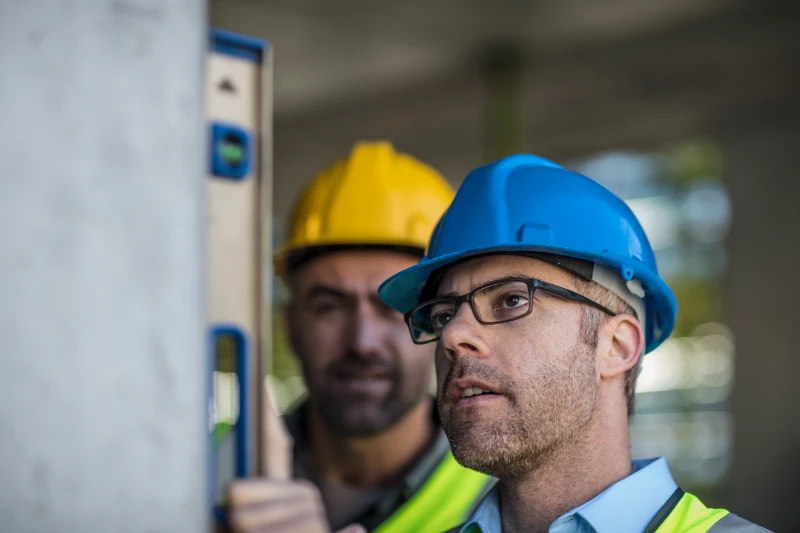
Best Building Materials for a Split-Level Home in the Cairns Climate

Building your own home is an exciting journey filled with big decisions – some that are more exciting than others. One of the first and most important is choosing the right materials.

Whether you’re starting from scratch or have already secured your plot of land, the materials you select can significantly affect both the look and durability of your home. The choice becomes even more crucial when building a split-level home in the unique Cairns climate.

In this blog, we’ll explore why split-level homes are a popular choice in Cairns, what building materials are best suited to the local environment, and how your choice of builder can ensure you make the right decisions every step of the way.

What is a Split-Level Home?

A split-level home is a type of house that’s designed to take advantage of sloped land. The key feature of this design is that the floors are staggered, often with short flights of stairs between them, creating a multi-level living space. This can allow for better use of space on uneven ground, providing separation between living areas while maintaining a more compact structure compared to a full double-storey home.

The Difference Between Split-Level and Double Storey Homes

Splt level vs. double storey – what’s the difference?

Split-level home: Multiple levels are built into the design, with spaces stacked in such a way that each floor doesn’t sit directly on top of the other. These homes are often used on properties with a slope or uneven land to maximise the available space without a large footprint.

Double-storey home: A traditional home with two floors stacked directly on top of each other. This design doesn’t take advantage of a sloped site in the way a split-level home does, but it can offer expansive views, and more space within a smaller plot of land.

Why Choose a Split-Level Home in Cairns?

In Cairns, many homes are built on hilly or sloping land, which makes split-level home designs in Cairns an attractive choice. These homes allow homeowners to work with the landscape, rather than against it. The benefits include:

  • Maximising land use: Split-level homes allow for effective use of steep or uneven land, offering different living zones on different levels without needing to level or dig up large areas of the site.
  • Enhanced views: The staggered design can provide better views from the upper levels, particularly in Cairns, where tropical views and access to nature are a key selling point.
  • Better natural airflow: The design encourages cross-ventilation between levels, which is perfect for the humid tropical climate of Cairns.

The Best Building Materials for Split-Level Homes

The Cairns climate is tropical, with hot, humid summers and mild winters. The materials used to build your split-level home must be able to withstand these conditions while also offering strength and insulation and meeting local building regulations.

Here’s a breakdown of the best materials for each part of your home:

1. Foundation and Structural Materials

For a split-level home, the foundation is key, especially if you are building on sloped land.

  • Concrete: Concrete is the most common material used for foundations, as it offers durability and strength. For split-level homes, reinforced concrete slabs or piers and footings are ideal, ensuring stability on uneven terrain. Concrete is also highly resistant to moisture, which is important in Cairns’ humid climate.
  • Steel Reinforced Concrete: To ensure your home’s frame is secure on sloped land, steel reinforcement within the concrete will add strength and reduce the risk of cracking or shifting. This is particularly important in Cairns, where the wet season can cause shifting in the ground.

2. External Walls and Cladding

Given Cairns’ tropical environment, it’s vital to choose materials that can handle the humidity and heavy rainfall.

  • Brick and Block: Both materials are durable, low-maintenance, and provide excellent insulation against heat. Brick also resists moisture damage, making it a good choice for the Cairns climate.
  • Weatherboard: For a more traditional aesthetic, weatherboard is a suitable choice. It’s important to select high-quality treated timber that resists rot, as the humidity in Cairns can cause untreated wood to decay over time.
  • Fiber Cement Cladding: This material is resistant to moisture, pests, and fire. Fiber cement can also be finished to mimic timber or other materials, providing flexibility in design.

3. Roofing Materials

Your roof needs to stand up to Cairns’ tropical storms, high winds, and intense sunlight.

  • Metal Roofing: This is the most popular option for homes in Cairns, as it is durable, resistant to moisture, and helps reflect heat. Galvanized steel or Colorbond steel are both strong, weather-resistant choices that provide excellent insulation.
  • Roof Insulation: Given the tropical heat, installing quality insulation underneath your roof will help keep your home cool. Reflective foil insulation or batts made from materials like polyester or wool can make a big difference in keeping your home comfortable year-round.

4. Flooring Materials

Flooring in Cairns homes needs to be durable, moisture-resistant, and comfortable.

  • Tiles: Porcelain or ceramic tiles are popular for flooring due to their water resistance, ease of cleaning, and ability to stay cool underfoot during hot weather.
  • Timber: While timber can be a beautiful choice, it’s important to select a hardwood that’s been treated to resist termites and moisture. Treated pine or hardwood timber floors offer a natural aesthetic, but ensure they are properly sealed and maintained to prevent damage from humidity.
  • Concrete Flooring: Polished concrete is gaining popularity in modern homes due to its sleek look, durability, and ease of maintenance.

Risks of Using the Wrong Materials

While there are many great material options for building a split-level home, choosing the wrong materials for Cairns’ climate can lead to costly problems. These can include:

  • Moisture damage: The high humidity and rainfall in Cairns can cause wood and other materials to rot if they aren’t properly treated or sealed.
  • Thermal inefficiency: If insulation and roofing materials aren’t selected correctly, your home could become unbearably hot during summer, increasing cooling costs.
  • Structural damage: Poor quality foundation materials or failure to use reinforced concrete can lead to cracking or even shifting, especially if building on sloped land.
  • Pest damage: Cairns is known for termites and other pests, and the wrong materials or lack of protection can lead to infestation and damage over time.

To ensure long-term durability and efficiency, it’s essential to choose materials that are both suited to the environment and built to last.

Get it Right With Expert Support For Material Selection

Building a split-level home in Cairns is an excellent choice for those looking to maximise their land and take full advantage of the local landscape. However, it’s crucial to choose the right materials to ensure that your home can withstand Cairns’ tropical climate and provide long-term comfort. From foundations to roofing, every decision matters.

With the help of an experienced home builder in Cairns, you can make informed decisions that fit both your budget and your needs. Cairns Quality Homes has extensive experience as custom home builders, and we understand the specific challenges posed by the local climate.

If you’re ready to start building your dream home, Cairns Quality Homes is here to help. We specialise in designing and constructing homes tailored to the unique conditions of Cairns, ensuring that your split-level home will be built to last. Contact us today or explore our split-level builder’s guide for more information.

How Much Does a Home Renovation Cost in Cairns?

Renovating your home can be an exciting way to update your living space, add value, or simply make your home more functional for your current needs. Whether you’re considering a kitchen upgrade, adding an extension, or transforming your outdoor area into an entertainer’s paradise, home renovations are incredibly common in Cairns.

However, as many homeowners discover, renovation costs can easily spiral if not planned properly from the start. In this blog, we’ll break down the costs of renovating a home in Cairns, the key factors to consider, and how the right builder can help you navigate this process smoothly.

Why Choose to Renovate?

Renovating a home in Cairns offers many advantages over buying a new property or moving to a larger home. In fact, many homeowners in Cairns are choosing renovations over purchasing new because it allows them to:

  • Create a space tailored to their needs: Renovating lets you customise your home to suit your lifestyle, whether it’s adding extra bedrooms for a growing family, upgrading your kitchen, or expanding your outdoor living area.
  • Increase home value: A well-planned renovation can significantly enhance the value of your property, making it a valuable long-term investment.
  • Avoid the hassle of moving: Finding a new home in Cairns can be a competitive and costly process. Renovating means you get to stay in the area you love and improve your current living situation.
  • Save money compared to buying a bigger house: With property prices rising, buying a larger home can be an expensive choice. A renovation may be a more budget-friendly alternative to increasing your living space.

In Cairns, where lifestyle and location are key, many homeowners are choosing renovations as a smart way to make their existing homes work harder for them. Whether it’s updating a tired interior or creating more usable space, renovations can breathe new life into your home.

What Costs Should You Consider When Renovating a Home in Cairns?

Renovations aren’t only about the fun of designing a new space – they also come with a variety of costs to consider. Here’s a breakdown of the major expenses to think about when planning a renovation:

1. Planning and Approvals

Council approvals: Depending on the scope of your renovation, you may need to apply for council approval. For major changes like extensions or structural alterations, this is often required. Approval costs can range from a few hundred to several thousand dollars, depending on the complexity of your project.

Permits and documentation: Some renovations require specific permits, including electrical, plumbing, or drainage permits, which can add to your costs.

Architectural or design fees: If you’re engaging an architect or designer to help with planning, there will be additional costs. This could range from $1,000 to $10,000+, depending on the size and complexity of the renovation.

2. Materials and Finishes

Materials will make up a significant portion of your renovation costs. Whether you’re upgrading your kitchen, installing new flooring, or renovating your bathroom, the choice of materials can significantly impact your budget.

  • Basic materials (e.g., laminate countertops, standard tiles) will be on the more affordable end.
  • High-end finishes (e.g., stone benchtops, luxury flooring, designer fixtures) will increase costs.

It’s important to choose materials that align with both your budget and your desired outcome. Opting for premium finishes can increase your renovation costs, but it may also add significant value to your home.

3. Labour Costs

Labour is another key factor that can impact the cost of your renovation. Skilled tradespeople such as Cairns builders, electricians, plumbers, and painters all need to be factored into your budget.

  • Hourly rates for tradespeople: In Cairns, hourly rates for tradespeople can range from $50 to $100+ per hour, depending on their level of experience and the complexity of the work.
  • Project management: If you choose to hire a project manager to oversee the renovation, the cost can range from $2,000 to $ 10,000 or more, depending on the project’s size and scope.

4. Size and Scope of Renovation

The scale of your renovation will directly affect the cost. A simple cosmetic update (like painting and new flooring) will be far less expensive than a major structural renovation, like adding an extension or reconfiguring your floor plan. Similarly, a granny flat cost may differ considerably from the cost of adding to the existing home.

Some rooms, like kitchens and bathrooms, often come with a higher price tag due to specialised labour and materials, such as plumbing, waterproofing or tiling. Any renovations that require structural changes (like adding a second story) will also increase the cost.

5. Contingency Budget

It’s important to set aside a contingency budget (typically 10 to 20% of your total renovation cost) to account for any unforeseen expenses that arise during the renovation process. This could include issues like structural problems, delays, or changes to the original plan.

How Do Renovation Costs Compare to Buying a New or Bigger Home?

When considering your options, it’s useful to compare the cost of a renovation with the cost of buying a new or larger home in Cairns.

Cost of Buying a New Home or Bigger Property

Median home prices in Cairns: According to the latest data, the median house price in Cairns is approximately $700,000. For a larger property, especially in desirable areas, prices can range upwards to $1 million.

In addition to the purchase price, you’ll need to factor in stamp duty, legal fees, and moving costs, which can total tens of thousands of dollars.

Cost of Renovating

Renovation costs in Cairns typically range from a few thousand dollars to hundreds of thousands, depending on the work you’re planning.

Renovating your current home allows you to stay in a location you love, maintain your existing equity, and add value to your property without the additional costs of buying and selling.

In many cases, renovations can be more cost-effective than moving, especially when you consider the expenses involved with purchasing a new home, such as stamp duty, legal fees, and potentially higher mortgage rates.

How Your Choice of Builder Affects Renovation Costs

Renovating your home in Cairns can be an excellent choice if you’re looking to upgrade your living space without the high costs of moving. By understanding the costs involved, you can plan ahead and avoid unexpected surprises.

One of the most crucial decisions when undertaking a home renovation is selecting the right Cairns builder for renovations. The builder you work with will directly impact the quality of the project, the timeline, and the final costs.

Cairns Quality Homes is a custom home builder that specialises in home renovations and extensions, with experience in helping homeowners across the Cairns region enhance their living spaces while sticking to their budget.

Whether you’re considering a small kitchen update, a second story, or are weighing up a granny flat vs house extension, Cairns Quality Homes is here to help. We’ll ensure your renovation is completed to the highest standard, on time, and within budget.

If you’re ready to explore your options, reach out today for a design consultation and let us guide you through the renovation process from start to finish.

Granny Flat vs. House Extension in Cairns: Which is Best?

If you’re a homeowner in Cairns thinking about adding more space to your property, you may be weighing up two major options: building a granny flat or extending your existing house. Both paths can unlock value, improve your lifestyle and meet changing needs, but one might suit you better than the other.

In this blog, I’ll walk you through why homeowners expand, compare house extensions and granny flat costs in Cairns, as well as time, disruption and value, and help you decide which route might be the right one for your Cairns property.

Renovate Rather Than Move: Home Extension Trends

In recent years, there’s been a strong trend in Cairns and across Australia: instead of relocating to a bigger home, many families are choosing to stay put and make the most of what they’ve got. Perhaps you love your neighbourhood, have established roots, or the cost of moving to a larger block is prohibitive.

Home extension or adding a secondary dwelling offers a way to:

  • Accommodate changing family needs (teenagers moving back, ageing parents, larger home-office or studio space)
  • Increase the value of your property without the hassle of relocating
  • Tailor a space to suit your lifestyle (entertaining, dual living, rental income)
  • Potentially save on costs compared with moving house

In the Cairns region, where land for large new homes is becoming increasingly competitive and building smarter is key, expanding your existing home or adding a secondary dwelling is becoming increasingly attractive.

The Difference Between Granny Flats and House Extensions

Before diving into a comparison, it’s worth defining both. A granny flat (or secondary dwelling) is a self-contained unit on the same property as your main dwelling. It can have its own kitchen, bathroom and living space and be separate (or semi-separate) from the main house. The appeal is flexibility: it could serve as accommodation for a relative, rental income, a guest suite or even a home office.

A house extension means adding to your existing home. This could be a ground‐floor expansion of living areas, extra bedrooms, or a second storey. It’s about increasing the footprint or volume of the current home, allowing the main house to grow rather than adding a separate dwelling.

How Do Granny Flats and House Extensions Compare?

Cost

For house extensions, recent Australian guides suggest ground-floor extensions can range from around $2,000 to $4,000 per m², with second-storey additions costing even more.

The cost to build a granny flat in Cairns can range from $120,000 to $180,000, depending on size, design, and finishes.

Time, Disruption & Logistics

An extension often involves integrating with the existing structure. Walls may need to be removed, roofs matched, plumbing and wiring extended. That can mean more disruption: living in the house while work is happening, noise, access issues, and dust. A second storey adds complexity (structural reinforcement, cranes) and cost.

By contrast, a granny flat (especially if separated from the main house) can cause less disruption to your daily living, because it may be built somewhat independently of the main home. Planning and approvals might differ, but the build process can be more contained.

Value-Add & Flexibility

Extensions obviously add space to your main home, improving usability and perhaps making the house more attractive to a buyer who wants one home but more room. They integrate with your lifestyle directly.

Granny flats have additional advantages: they can offer rental income or provide flexible living for relatives, guests or tenants. They add an independent living space, which may increase the resale appeal of your property to buyers who value dual-living or multi-generational options.

Which is Right For Your Situation?

When a house extension might be most appropriate:

  • You want more integrated living space (an enlarged kitchen/living area) rather than a separate unit.
  • Your family needs more bedrooms or a larger home for day-to-day use rather than rental or independent living.
  • Your site and house structure lend themselves easily to extension (flat block, minimal disruption).
  • You’re focused on one home, not creating separate accommodation.

When a granny flat might make more sense:

  • You want to generate rental income or provide independent space for adult children or ageing parents.
  • Your site has the space and access (good backyard, room for a separate entry) for a separate dwelling.
  • You value flexibility: one day it might be a rental, another a guest suite or studio.
  • You prefer less disruption to your main living space during the build.

In Cairns, you’ll also want to consider the local climate, site conditions (e.g., tropical weather, cyclone or flood risk, and the slope of the block), and local council/regulation requirements. If your block is large and you have room to build a separate structure, the granny flat option could be very appealing. If your block is tighter or you’d prefer to stay within the envelope of the main house, an extension might be more efficient.

Working With an Experienced Builder Can Make A Difference

Choosing a builder who has experience in both granny flats and house extensions is a smart move. They can walk you through the pros and cons in your specific setting, help you compare likely renovation costs, timelines and lifestyle outcomes, and guide you to the solution that best meets your goals and budget.

At Cairns Quality Homes, we’re expert custom home builders in Cairns that specialise in new building projects in the Cairns region, including both house extensions and granny-flat style secondary dwellings.

If you’re undecided about a granny flat versus an extension, we’ll help you compare both options side by side for your block, budget, and long-term plan – so you can feel confident in your decision.

Take The First Step To Expanding Your Home

Deciding between a granny flat and a house extension is more than just choosing “more space”. It’s about how that space is used, how it integrates with your life today, how it serves your family’s future, how much disruption you’re comfortable with and how much value you’re aiming to add.

If you want independent living/rental flexibility, a granny flat could be the smarter path. If you simply need more room within your existing home for day-to-day life, a house extension might be the better fit. Either way, working with a house renovation builder in Cairns who knows the local market, site conditions, and process makes a big difference.

Ready to explore your options? Reach out to Cairns Quality Homes for a free consultation.

Granny Flat Council Approval Guide

If you’re a homeowner looking to add a granny flat to your property in Cairns, it’s important to understand the council approval process before diving into construction. Navigating local regulations and ensuring compliance with all requirements can save time, effort, and avoid unexpected granny flat costs.

Whether you’re adding a rental unit, a guest suite, or a home for family members, understanding what needs approval will help you plan your project from start to finish.

In this guide, we’ll walk you through the process of getting council approval for your granny flat in Cairns, explain why it’s necessary, and highlight how working with an experienced builder can make the process easier.

Why Do We Need a Council Approval Process?

The reason you need council approval to build a Cairns granny flat is to ensure that any new construction meets local zoning laws, safety standards, and building codes. These regulations help maintain the safety, liveability, and aesthetic quality of your neighbourhood while also managing things like stormwater, traffic flow, and environmental impact.

In Cairns, as with the rest of Queensland, the local council enforces these regulations to maintain order and ensure that properties are developed in a way that benefits both the homeowner and the broader community. By getting approval, you ensure your project is legal, safe, and future-proof.

The Granny Flat Approval Process in Cairns

The process of obtaining council approval for a granny flat in Cairns is broken down into several steps, from initial research to the final inspections. Understanding each stage will help you move forward confidently.

Step 1: Preliminary Research and Zoning Check

Before you begin any design work, it’s crucial to check your property’s zoning and land use regulations. Not all properties in Cairns will be eligible for a granny flat, especially if they’re located in areas with restrictive zoning laws. Some of the factors that can affect eligibility include:

  • Land size – Your block must meet the minimum size requirements for a granny flat (usually 450-600m² or larger).
  • Zoning laws – The land must be zoned for dual occupancy, which permits secondary dwellings, such as granny flats.
  • Environmental restrictions – Flood zones, bushfire risk, and heritage overlays may impact what you can build.

This is a critical first step to ensure that your vision aligns with what is allowed under Cairns’ development regulations.

Step 2: Preparing Your Design and Documentation

Once you’ve confirmed that your land is eligible for a granny flat, the next step is to engage a professional designer or architect to create plans for your new space. This design must comply with local building codes, including:

  • Building codes – Structural integrity, fire safety, electrical systems, and plumbing must meet all relevant standards.
  • Setbacks and height restrictions – The design must comply with regulations regarding the distance from boundaries (setbacks) and the maximum height of the granny flat.
  • Stormwater and drainage plans – These plans will ensure that the property drains correctly and that stormwater doesn’t cause issues for you or your neighbours.

You’ll also need to prepare supporting documentation, such as:

  • Property title and land survey
  • Site plan showing property boundaries and existing structures
  • Detailed floor plans and elevations
  • Engineer certification for structural elements

Step 3: Submitting Your Development Application

Once your design and documents are ready, the next step is to submit your Development Application (DA) to the Cairns Regional Council. This application provides the council with everything they need to evaluate your proposal, including your site plan, building plans, and compliance with zoning and planning requirements.

Here’s what you need to submit:

  • Completed DA form
  • Design plans and specifications
  • Site plan with setbacks and boundaries clearly marked
  • Evidence of compliance with relevant local, state, and federal regulations

The council will review your submission, which usually takes about 15 to 25 business days, depending on the complexity of your application. During this time, they may request additional information or minor adjustments to the plans.

Step 4: Council’s Decision and Approval

Once the council has reviewed your application, they will make a decision. If your proposal meets all requirements, you will receive Development Approval. If there are issues or the design doesn’t fully comply, you may be required to make revisions or adjustments.

Once approved, you will receive the green light to proceed with construction. You will then need to submit your Building Application to obtain the necessary building permits, ensuring the project is carried out in accordance with the approved plans.

Step 5: Construction and Final Inspections

Once you have obtained your approvals, the construction of your granny flat can commence. This phase involves:

  • Site preparation – Ensuring the foundation is ready and utilities are in place.
  • Construction – Building the granny flat according to the approved design.
  • Inspections – The Cairns Council will conduct inspections at various stages to ensure everything complies with the approved plans.

These inspections typically happen at key construction milestones (e.g., before pouring the foundation, after framing, and before final completion).

Once your granny flat is finished, a final inspection will be conducted to ensure everything is in line with the approved plans and local regulations.

How Long Does the Council Approval Process Take?

On average, the entire council approval process takes approximately 6 to 8 weeks, depending on the project’s complexity. If there are no major revisions, the overall process (including construction) can take 3 to 6 months to complete.

However, be prepared for delays – whether it’s waiting for feedback from the council or weather affecting construction timelines.

How Can a Builder Help with the Council Approval Process?

Navigating the council approval process can be time-consuming and complex, which is why working with an experienced builder can make all the difference. Our team at Cairns Quality Homes are Cairns home builders who specialise in new builds, granny flats, and custom construction in the Cairns region, and we’re familiar with the local regulations and council procedures.

Here’s how we can help:

  • Preliminary advice – We can help you understand your property’s eligibility, the necessary approvals, the benefits of a granny flat vs extending your house, and any unique challenges before you start.
  • Design and documentation – Our team works closely with architects and engineers to prepare detailed, compliant plans that meet council requirements.
  • Liaising with the council – We can manage the submission of applications and handle correspondence with the council, so you don’t have to worry about the paperwork.
  • Streamlined construction – We make sure the build process is seamless, handling inspections, scheduling, and construction management to ensure your granny flat is completed on time and to standard.

Ready to Add a Granny Flat?

Building a granny flat in Cairns can significantly improve your lifestyle, increase property value, and even generate rental income. However, it’s essential to understand the council approval process before moving forward to avoid costly mistakes or delays.

With Cairns Quality Homes, you’ll have the support of a local team of custom design home builders, experienced in handling the intricacies of the approval process and ensuring your granny flat is built to the highest standards.

We can help you navigate each step, making your project easier and more efficient. Contact Cairns Quality Homes today for a consultation and to start the approval process.